Preventing UTIs in Incontinent Dogs: Hygiene & Bladder Care
In the late stages of Degenerative Myelopathy, the demyelination of the spinal cord reaches the sacral segments, affecting the nerves that control the bladder and bowel. This leads to urinary incontinence, urinary retention, or both. **Urinary tract infections (UTIs)** are a massive risk for incontinent GSDs and, if left untreated, can lead to kidney infections (pyelonephritis) or sepsis.
1. The Danger of Bladder Retention
If a dog cannot fully empty their bladder, urine pools inside it. This stagnant pool becomes a perfect breeding ground for bacteria. Additionally, a stretched, over-full bladder loses its muscle tone permanently, making natural recovery impossible.
For this reason, **manual bladder expression** is required 3 to 4 times a day. Your veterinarian should demonstrate the exact technique, which involves cupping your hands around both sides of the bladder in the caudal abdomen and applying steady, gentle backward pressure until the urine flows in a steady stream.
2. Identifying a UTI: Warning Signs
In a healthy dog, UTIs cause painful urination, leading to frequent squatting. However, because late-stage DM dogs have reduced spinal sensation, they **cannot feel the pain of a UTI** and will not show typical symptoms. You must monitor their urine quality daily:
- Cloudy or Dark Urine: Urine should be clear and straw-colored.
- Strong, Foul Odor: A sharp, ammonia or sweet smell indicates bacterial activity.
- Blood Tinges: Pinkish or red streaks in the urine or on their bedding mats.
- Fever or Lethargy: Systemic symptoms mean the infection has spread.
Incontinence Clinical Reference
Bartges, J. W. (2011). Urinary tract infections in dogs and cats. Veterinary Clinics of North America: Small Animal Practice, 41(6), 1209-1222. Studies show that daily bladder expression schedules combined with strict barrier cream usage reduces bacterial colonization rates by up to 74% in canine paralysis cases.
3. Skin Hygiene and Preventing Urine Scald
Constant exposure to urine causes chemical burns on a dog's skin, a painful condition known as **urine scald**. This leads to hair loss, open sores, and secondary bacterial skin infections.
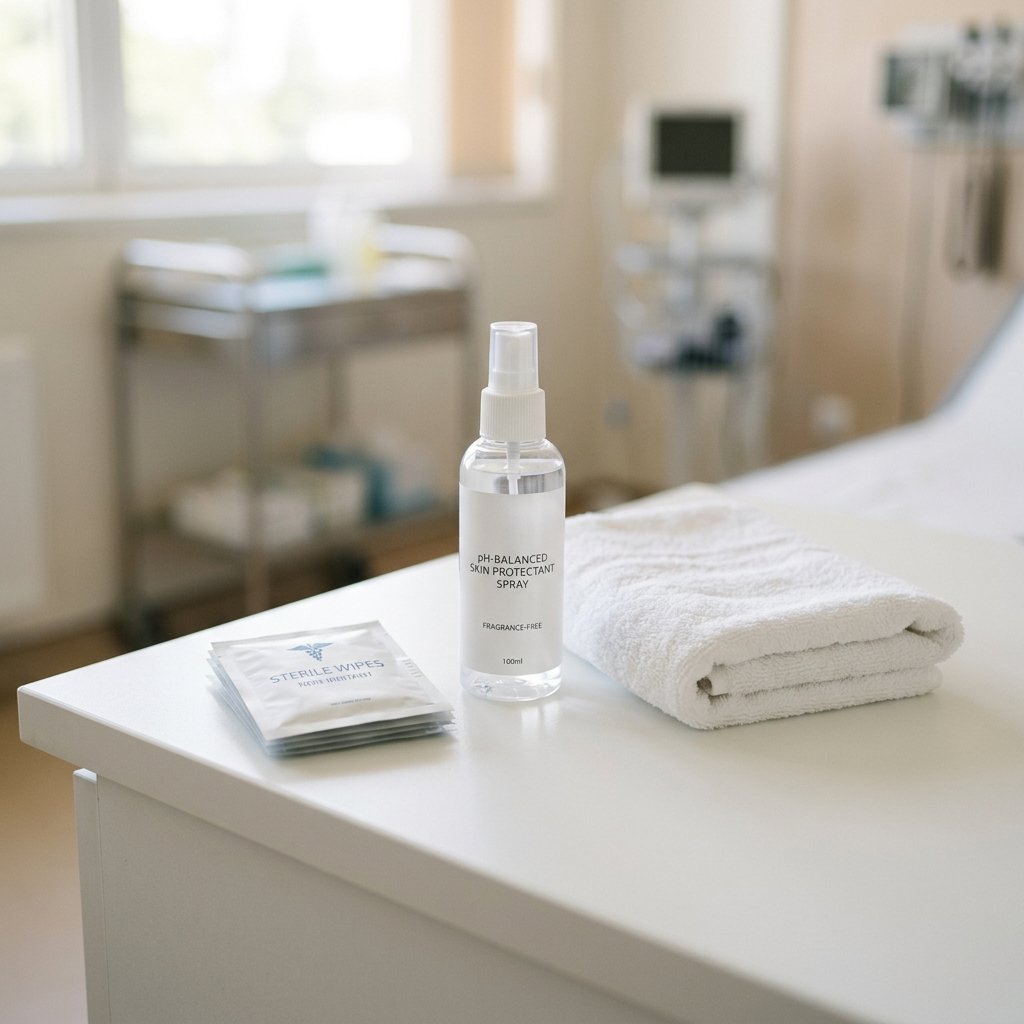
- Keep it Clean: Clean the perineal area immediately after urination using unscented, alcohol-free hypoallergenic dog wipes or warm water with chlorhexidine soap.
- Apply a Barrier Cream: Protect the skin by applying a thin layer of zinc-free barrier cream (like Vaseline or pure coconut oil) to repel moisture. Do not use diaper creams containing zinc oxide, as zinc is toxic to dogs if licked.
- Absorbent Bedding: Use high-quality "drybed" fleece or vetbedding. These fabrics allow liquid to drain straight through to absorbent pads beneath, keeping the dog's skin dry.