Nutritional Support for GSDs with Degenerative Myelopathy
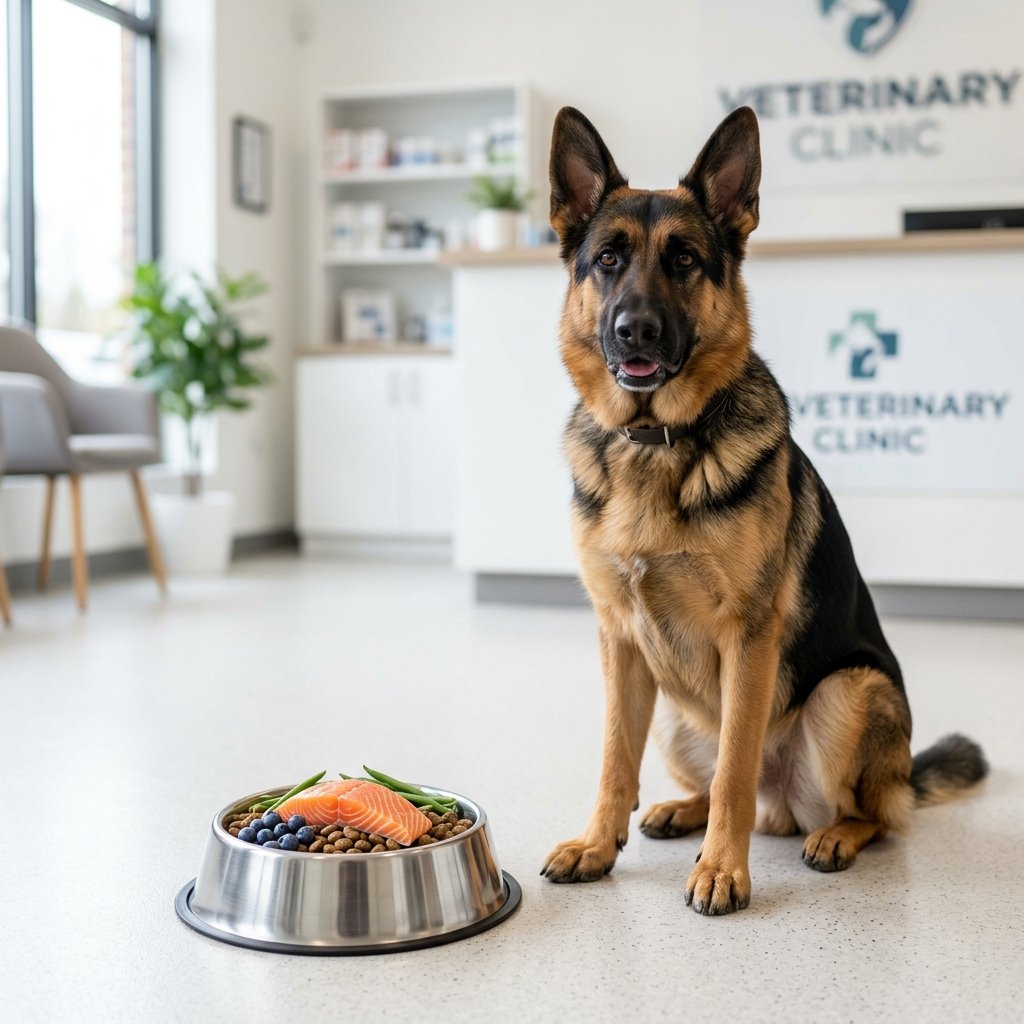
Managing Degenerative Myelopathy (DM) in German Shepherds requires a multi-pronged therapeutic strategy. While physical exercise is the foundation, diet and nutritional supplementation play a critical supportive role. The goal of nutritional intervention in DM is to reduce systemic neuroinflammation, mitigate oxidative stress, and protect remaining myelin sheaths from degradation.
1. Omega-3 Fatty Acids (EPA and DHA)
Omega-3 fatty acids are among the most crucial supplements for neurodegenerative conditions. Eicosapentaenoic acid (EPA) and docosahexaenoic acid (DHA) act as powerful natural anti-inflammatory agents. They work by competing with arachidonic acid, reducing the production of pro-inflammatory eicosanoids.
- Dosage Guidelines: Clinical studies in canine spinal arthritis and neurological disease support therapeutic dosages of 100–150 mg of combined EPA/DHA per kilogram of body weight daily.
- Sources: High-quality marine lipid supplements (wild-caught salmon, sardine, or anchovy oil) are preferred over flaxseed oil, as dogs convert plant-based ALA to active EPA/DHA poorly.
2. Antioxidant Defense (Vitamins E and C)
Degenerative Myelopathy is associated with oxidative stress and mitochondrial dysfunction. Free radicals contribute to the progressive damage of myelin in the spinal cord. High-dose antioxidants help neutralize these harmful reactive oxygen species.
- Vitamin E (Alpha-Tocopherol): A key fat-soluble antioxidant. Recommended dosage is 400–800 IU daily. Natural d-alpha-tocopherol is absorbed significantly better than synthetic dl-alpha-tocopherol.
- Vitamin C (Ascorbic Acid): Works synergistically with Vitamin E to regenerate tocopherol radicals. A typical dosage is 500–1000 mg daily. High doses can cause mild diarrhea; if this occurs, decrease the dosage.
Clinical Reference Note
Clemmons, R. M. (1992). Degenerative myelopathy in German Shepherd Dogs. Veterinary Clinics of North America: Small Animal Practice, 22(4), 965-971. Clemmons' protocol highlights the combined application of high-dose Vitamin E, Vitamin C, and Aminocaproic acid to reduce neurodegenerative progression rates.
3. B-Complex Vitamin Supplementation
B vitamins play an essential role in nervous system health and myelin synthesis. Vitamin B12 (cobalamin) and Vitamin B1 (thiamine) are particularly vital. Deficiencies in these vitamins are associated with neuropathy and myelin degeneration.
A high-quality, balanced canine B-complex supplement should be administered daily to support peripheral nerve signaling and energy metabolism within spinal cord neurons.
4. Weight Management: The Golden Rule
The most important dietary goal for a German Shepherd with DM is to **maintain a lean body mass**. Every extra pound of weight increases the load and stress on weakened hind limbs. A lower body weight directly translates to longer mobile capacity and less joint pain.
Transition your GSD to a diet that is high in protein (to combat muscle wasting/atrophy) and low in simple carbohydrates to prevent unnecessary fat gains.